Four Founders Reflect on a Year of Growth, Community, and the VESTING Women Program
Updated: Jul 7

A lot can change in a year of building a business. New customers come in. Plans change. Problems pop up that you definitely did not have on your bingo card. Some ideas take off, others need to be reworked, and most founders are making decisions with a mix of strategy, instinct, and whatever information they have that week.
The VESTING Women Program was created, in partnership with VEST, to help women entrepreneurs navigate those moments with more support, strategy, and community. Over the course of a year, founders participate in a hybrid experience that blends executive-style coaching, skill-building workshops, and the power of a peer-driven community designed to help them strengthen the way they lead and grow their businesses.
This first cohort of onboarded founders brought together women building across activewear, digital strategy, web design, and property technology. Their companies may be different, but their stories point to a shared theme. Growth, both business and personal, becomes easier to navigate founders have the space to think strategically and a community that makes the process feel less isolating.
We checked in with four founders from the first group of onboarded VESTING Women participants to hear how this past year shaped their businesses, what they’re taking with them, and what they’re building toward next.
Meet the Founders: Reflections From the Past Year

Maria Collado is the founder of KPI Digital Designs, a web design studio creating clean, intuitive websites and digital tools for small businesses, minority-owned companies, and nonprofits. Through her work, Maria helps make strong design more accessible to the organizations and entrepreneurs who need it most.

Bianca Pietersz is the co-founder of ViziSmart, a property technology company streamlining maintenance through a smart digital assistant. The platform helps landlords, tenants, and service providers manage repair requests and tasks more efficiently, making property maintenance easier for everyone involved.
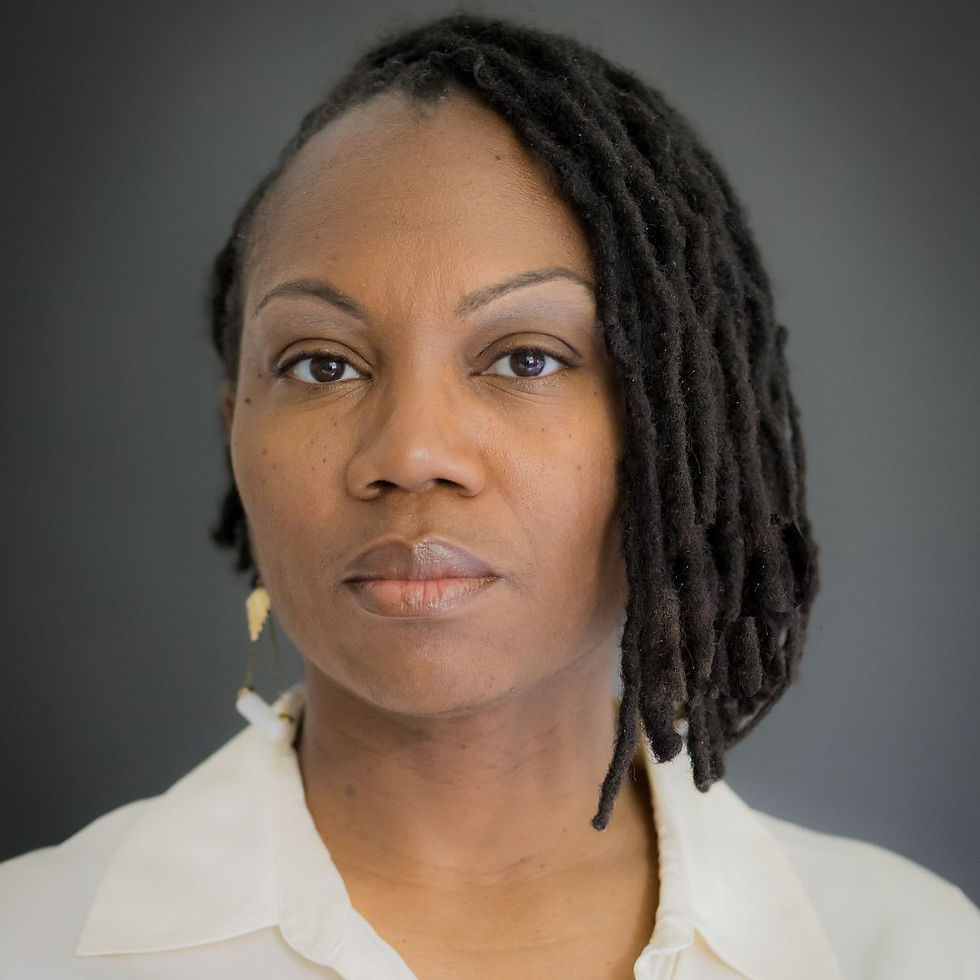
Chantelle Lott is the founder of Bounceless a performance activewear company designing sports bras that center the needs of full-bust women. By creating products that offer better support, comfort, and fit, Chantelle is helping remove barriers to movement and make fitness more inclusive.

Yobana Beasley is the founder of July Digital Studio a digital marketing studio helping wellness-focused brands grow through social media content, community engagement, and strategy. Her work helps brands move beyond simply gaining followers and focus on building real relationships with the people they serve.
Why did you decide to apply to the VESTing Women Program?
Maria: I joined for many reasons. I hadn't found my entrepreneurial network of women that understood what it's like to own your own business and scale it for reliable income. A good friend recommended StitchCrew and encouraged me to join even though I felt imposter syndrome. I am a big believer of "you don't know, what you don't know" and this felt like a great opportunity to learn and problem solve with unique minds regarding all areas of entrepreneurship (business, family, identity, and more).
Bianca: I had applied to StitchCrew a couple of times for a venture I wanted to grow. My overall challenge that drew me to the program was learning to have better organizational and sales skills to manage the load of operating the business. I also loved the idea of camaraderie with other women founders who are going through similar struggles and growing pains.
Chantelle: I wanted to join a community of women who want to grow both professionally and personally. Upon applying, I wanted to have a solid sales strategy for my business and to figure out how to show up authentically as the founder without compromising my personal values and beliefs.
Yobana: I was looking for support and guidance as an entrepreneur. More than anything, I wanted to build a community and be supported by a community of people that understood the challenges that I was facing in my entrepreneurial journey.
What has shifted for you over the course of the program?
Maria: My mindset has changed in many ways. One that stands out is just because I've always been the one to help others, that doesn't mean I'm responsible for them. It's easy to help others when it's a salary job. However, as a business owner, I need to prioritize my time and finances. Helping others is a good thing, but helping for free is not a sustainable lifestyle.
Bianca: Since joining the program, I have learned that there is value in vulnerability and also discernment. I learned that I must value my financial and family wellbeing over the circumstances of business. I have learned that career changes, pivots, and new ideas are to be welcomed as opportunities because it is the only constant. I have learned that we can fight for what we believe in while holding boundaries. I’ve learned that there are wonderful and supportive people that we can connect with who can share guidance, experiences, and there are safe spaces where founders are able to be vulnerable without judgement.
Chantelle: My mindset has changed by accepting that as a founder, I am a person that needs to connect with others. This comes from being vulnerable and resilient at the same time. Listening to other women express themselves in their true voice was encouraging and empowering.
Yobana: The biggest thing that has changed for me since starting the program has been truly a change in confidence of what I am capable of.
What did you find most valuable about being part of this program?
Maria: There were many sessions where we went deeper than the business itself and focused on the business owner. It's great to follow up on goals, but it's difficult to focus on a goal if you aren't doing well due to environmental, political, familial, etc., struggles. These external forces can really impact our day-to-day, and it can be difficult to stay motivated when the odds feel against you at times.
Bianca: Having a safe place for processing and working out business and life struggles was very important for me. The audits and mentorship we’re also wonderful. I am truly inspired by the leadership and executive team who lead with care, flexibility, understanding, and overall compassion and strong conviction for their members and the world at large.
Yobana: The biggest value from me is that I’ve had the opportunity to get real feedback from experts on operations, sales processes, and finances. Not to mention, community with other entrepreneurs! Over the past year, we became an almost fully booked out agency.
What’s one lesson you would pass on to another founder?
Maria: You are not alone. We are all striving for our purpose and reliable income.
Bianca: Discernment is the greatest skill to have in business. Look at the facts and patterns. If there are red flags or gut feelings, don’t push through those, they are powerful signals and your body is making you aware of something that does not resonate with you. Stand firm on your values and actually have a list of them to return to if you feel like you are ever on shakey ground. If something happening around you doesn’t go along with the values you set forth, communicate and rectify the situation. People will understand and negotiation is always on the table. Always remember to negotiate. You never have to sign anything without a fair negotiation.
Chantelle: We completed an "Emotional Runway Audit" at the beginning of the year. This was new to me but very helpful for understanding what drains me (things I need to delegate) and what drives me (things I need to keep doing). Having this understanding is definitely a lesson I would pass on to another founder, especially when wanting to avoid burnout.
Yobana: A lesson I’d like to pass on to another founder is that when a change needs to be made. You need to stop overthinking it and move forward with it. Often we wait for too long or overthink things until it’s too late!
What does the next phase or goal look like for you after this program?
Maria: My next big goal is to obtain more long-term contracts instead of one-time jobs. This will give me more peace of mind. It wasn't something I felt confident acquiring in the past, but I feel very capable of it now.
Bianca: The next phase for me will be to negotiate a fair exit, and regain my freedom, work and get out of debt, and continue forward in the path I was forging. The biggest goal is ensuring my freedom to work within the ideas I created. I have a product I am working on that I think will be very valuable to small businesses, so this will be a great way to continue with my mission.
Chantelle: The next big goal I am working toward in my business is launching another design. I have a firmer handle on what it is going to take to make sales with the guidance and resources from this program.
Yobana: Next phase after program is to keep building and ask more people for help! So many people are willing to share but not enough people are willing to ask! It’s also scaling the business to be able to duplicate our team in the next year or two!
About StitchCrew
StitchCrew is a non-profit organization creating a more inclusive economy through entrepreneurship and creative economic development efforts. Since its founding in 2017, the organization has created programs to fund and support more than 210 companies owned by socially and economically disadvantaged entrepreneurs. Learn more about upcoming programs, opportunities and alumni by subscribing to our monthly newsletter below.